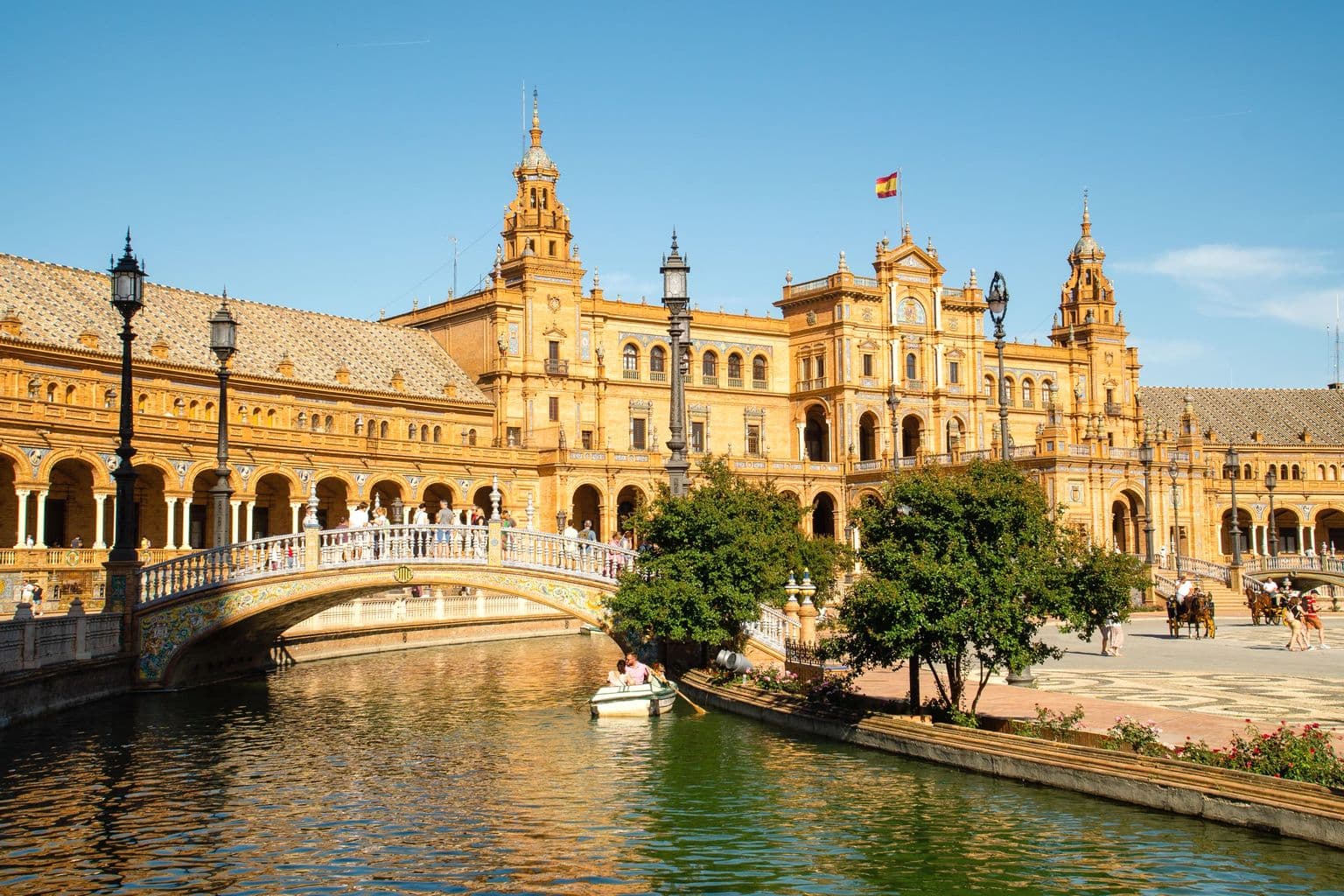
Food
Beach
Architecture
Europe
Spain
Current status
Safe to travel
Safety
Very safe
Spain is generally safe, but petty theft is common in busy tourist areas and transport hubs.
- Check Travel.State.gov Spain advice if protests, strikes, or security alerts could affect your route.
- Keep bags and phones secure in Barcelona, Madrid, resorts, stations, and markets.
- Avoid demonstrations and follow local instructions if crowds form.
- Use licensed taxis or trusted ride apps late at night.
Emergency
112
Entry Information
Spain is in the Schengen Area, and many travelers can visit visa-free for short stays.
- Check Spain’s official entry conditions before booking if your nationality, stay length, or route is unclear.
- Schengen stays are usually limited to 90 days in any 180-day period for visa-free travelers.
- Non-EU passports usually need 3 months validity after leaving Schengen and must be under 10 years old.
- ETIAS is expected in late 2026; no action is needed until the EU confirms launch.
Vaccination
No recommendations
Regional Weather
Cold
Rain
Off Season
Cold
Rain
Off Season
Mild
Rain
Shoulder
Mild
Rain
Shoulder
Mild
Rain
Shoulder
Mild
Dry
Shoulder
Mild
Dry
Peak Season
Mild
Dry
Peak Season
Mild
Rain
Shoulder
Mild
Rain
Shoulder
Mild
Rain
Off Season
Cold
Rain
Off Season
Prices
Level 3
Mid-range
$$$$
$$$$

Must Know
Costs vary a lot by region, especially during summer and major holidays.
- Barcelona, Madrid, San Sebastián, Ibiza, and the Balearics are usually the priciest areas.
- Smaller inland cities are often much better value.
- Hotels and beach restaurants rise fastest in peak season.

Travel Hack
Use menú del día, local markets, and early train bookings to control costs.
For rail routes, compare official Renfe fares before buying from resellers.
Tipping Guide
Restaurants
10%
Cafes
No tips
Taxis
No tips
Hotels
No tips
Must Know
Tipping is optional in Spain, not a fixed rule.
- For good restaurant service, small change or 5 to 10 percent is enough.
- Round up small cafe or taxi bills when service is helpful.
- Cash tips are easiest in small local places.

Pro Tip
Card payments are common, but tips may not always be easy to add by card.
Carry a few euros in coins for cafes, taxis, and hotel staff.
Currency
Euro
EUR
US Dollar Rate
$1 = €0.9
Select currency...
Pro Tip
Cards are widely accepted, but cash is still useful for markets, small purchases, tips, and some local transport.
- Use bank ATMs and avoid standalone tourist-area machines with high fees.
- If offered a choice, pay in euros, not your home currency, to avoid dynamic currency conversion.
- For euro reference rates, use the European Central Bank.
Traditional Food
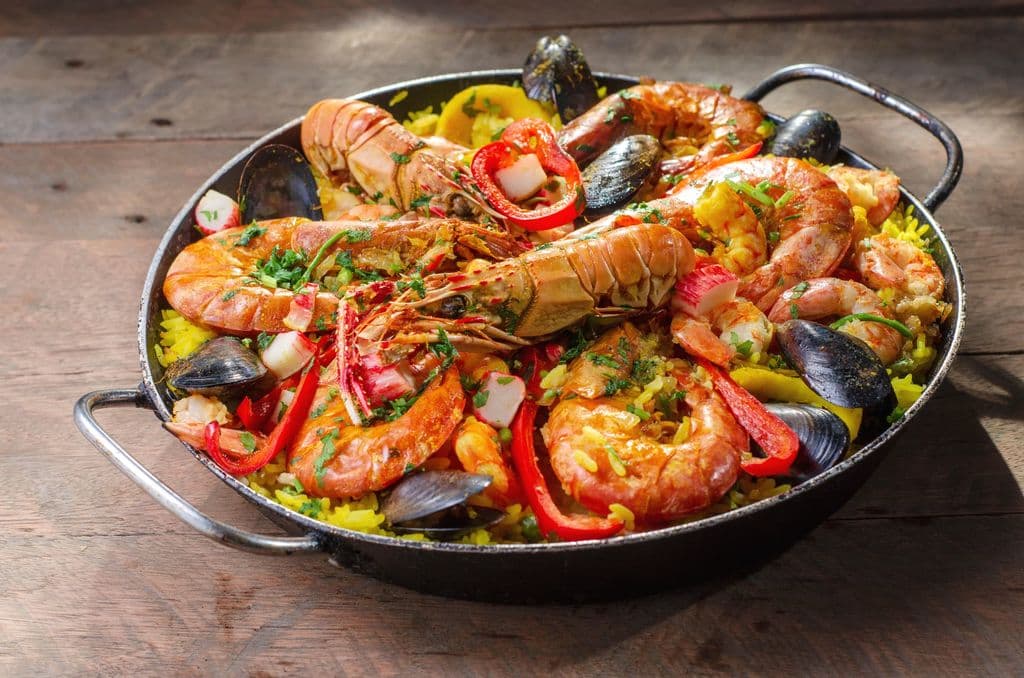
Paella
Saffron rice with seafood or meat
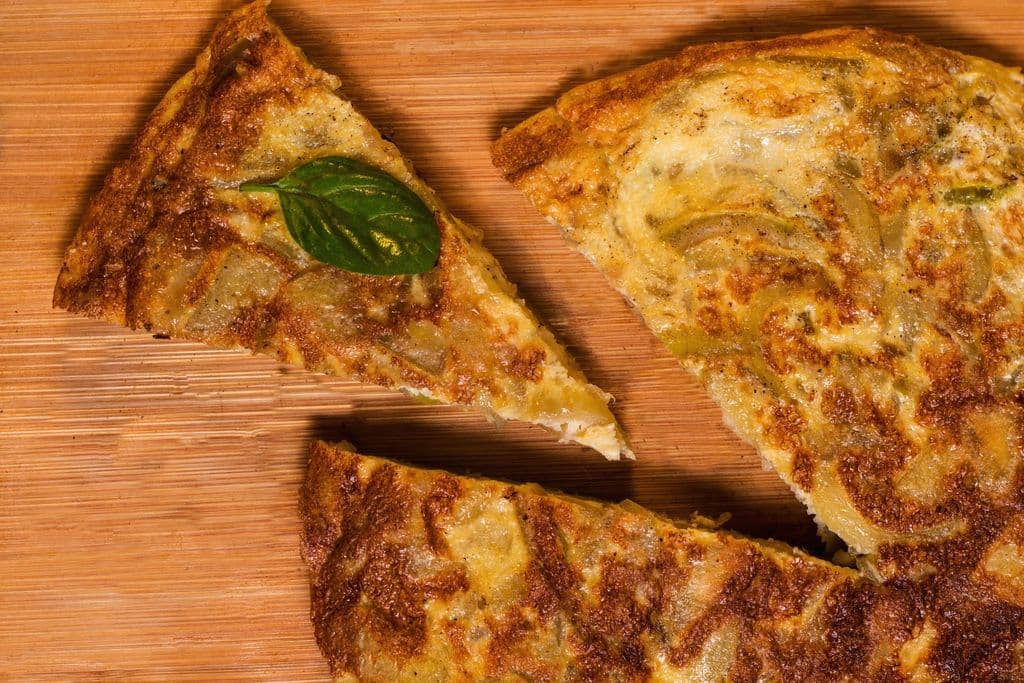
Tortilla Española
Thick potato and egg omelet
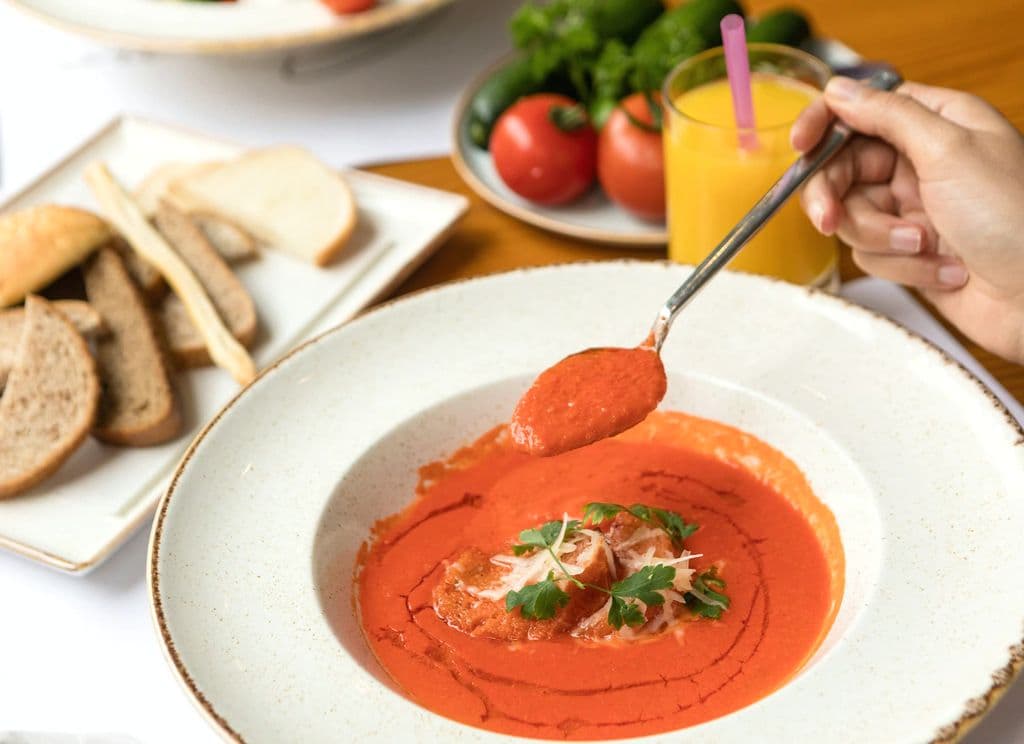
Gazpacho
Cold tomato soup from Andalusia
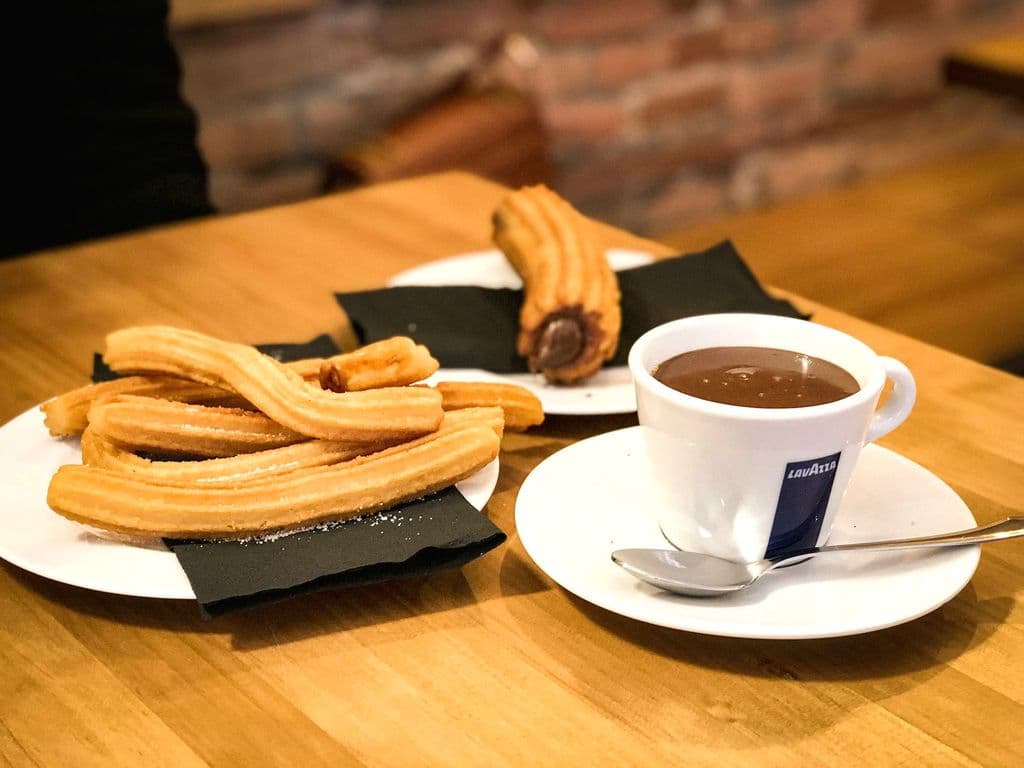
Churros
Crispy fried pastries served with rich, thick chocolate for dipping.
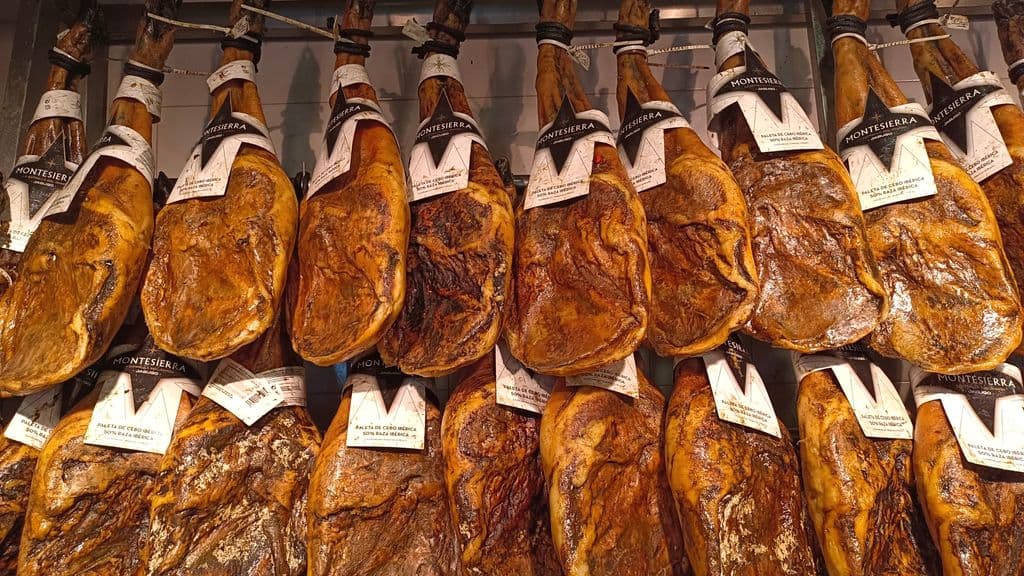
Jamón Ibérico
Cured Iberian ham sliced thin

Power
Spain uses 230V electricity at 50Hz.

Type C

Type F
Transport
Direction
Right side
Spain is easy to travel without a car, especially between major cities.
- Use Renfe for high-speed and regional trains, and book busy routes early.
- Buses are useful for smaller towns and rural areas where trains are limited.
- Metro and local transit work well in Madrid, Barcelona, Valencia, Bilbao, and other large cities.
- Rent a car for countryside or island trips, but expect tight old-town streets and difficult parking.
Language
Spanish is the main official language, and English is useful in major cities and tourist areas but less reliable in rural places.
English language level
Moderate
Official
Common
Useful words and phrases
Hola
Hello
Gracias
Thank you
Por favor
Please
¿Cuánto cuesta?
How much does it cost?
¿Dónde está el baño?
Where is the bathroom?
La cuenta, por favor
The bill, please
Necesito ayuda
I need help