Food
Temple
East Asia
Japan
Current status
Safe to travel
Safety
Very safe
Japan is one of the safer countries for travelers, with low violent crime and reliable public services. Natural hazards, nightlife scams, and strict local rules are the main things to plan around. Check current advice from JNTO.
- Follow official alerts for earthquakes, typhoons, volcanic activity, and heavy rain.
- Keep valuables close in busy stations and nightlife districts, especially late at night.
- Carry your passport, respect no-smoking and photo rules, and use licensed taxis or public transport.
Police
110
Fire / Ambulance
119
Visitor Hotline
+81-50-3816-2787
Entry Information
Many travelers can visit Japan visa-free for short tourist stays, but rules depend on nationality. Check official immigration guidance before booking.
- Passports must be valid for the stay, and some travelers may need a visa before arrival.
- Use official Visit Japan Web to speed up immigration and customs procedures.
- Be ready to show onward travel, accommodation details, and enough funds if asked.
Vaccination
Recommended
Hepatitis A
Japanese encephalitis
Regional Weather
Cold
Snow
Peak Season
Cold
Snow
Peak Season
Cold
Snow
Shoulder
Mild
Dry
Shoulder
Mild
Dry
Peak Season
Mild
Dry
Shoulder
Mild
Rain
Peak Season
Mild
Rain
Peak Season
Mild
Rain
Shoulder
Mild
Dry
Peak Season
Cold
Snow
Shoulder
Cold
Snow
Peak Season
Prices
Level 3
Mid-range
$$$$
$$$$

Must Know
Japan can be moderate or expensive depending on route. Big-city hotels, rail passes, theme parks, and peak cherry-blossom or autumn dates raise costs quickly.
- Convenience stores, ramen shops, set meals, and business hotels keep daily spending reasonable.
- Kyoto, Hakone, Niseko, and Tokyo weekends often need earlier booking.

Travel Hack
Carry some yen for temples, shrines, small restaurants, local buses, rural inns, lockers, and older ticket machines. Cards work well in cities, hotels, chains, and larger shops.
Tipping Guide
Restaurants
No tips
Cafes
No tips
Taxis
No tips
Hotels
No tips
Must Know
Tipping is not normal in Japan. In restaurants, cafes, and taxis, trying to tip can confuse staff or be politely refused.
- Pay the exact bill or use the tray at the register when provided.
- High-end ryokan or private guides may accept a discreet envelope, but it is optional and uncommon.

Pro Tip
Show appreciation with polite words, careful manners, and punctuality rather than extra cash.
Currency
Japanese Yen
JPY
US Dollar Rate
$1 = ¥163.9
Euro Rate
€1 = ¥186.4
Select currency...
Pro Tip
Japanese yen cash is still useful, especially for small restaurants, temples, shrines, rural buses, lockers, and older ticket machines.
- Withdraw from bank, post office, or major convenience-store ATMs.
- Cards are common in cities, but keep coins and small notes for everyday local payments.
- If offered card conversion, pay in Japanese yen rather than your home currency.
Pro Tip
IC cards such as Suica and PASMO are useful for trains, convenience stores, vending machines, and small daily payments.
Traditional Food
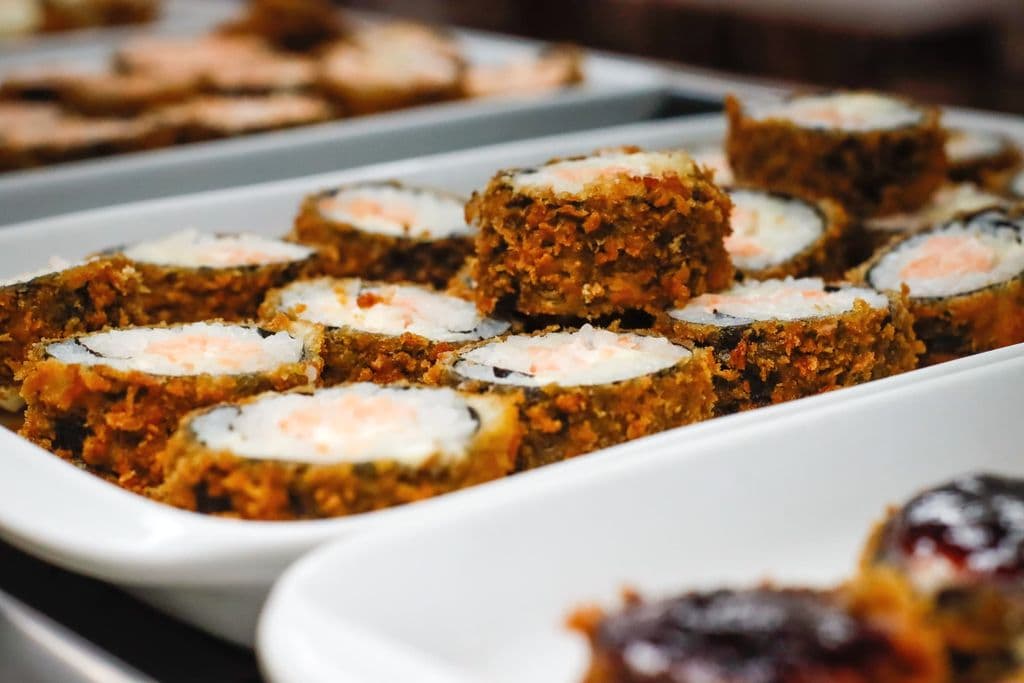
Sushi
Vinegared rice with seafood or vegetables
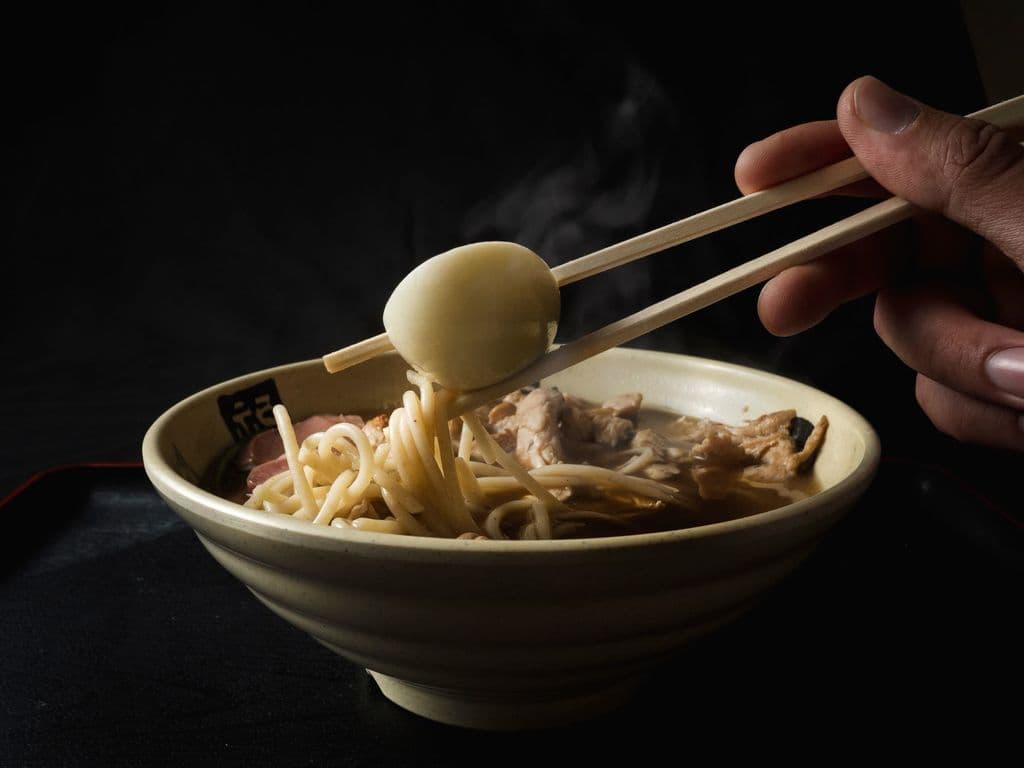
Ramen
Noodle soup with broth and toppings
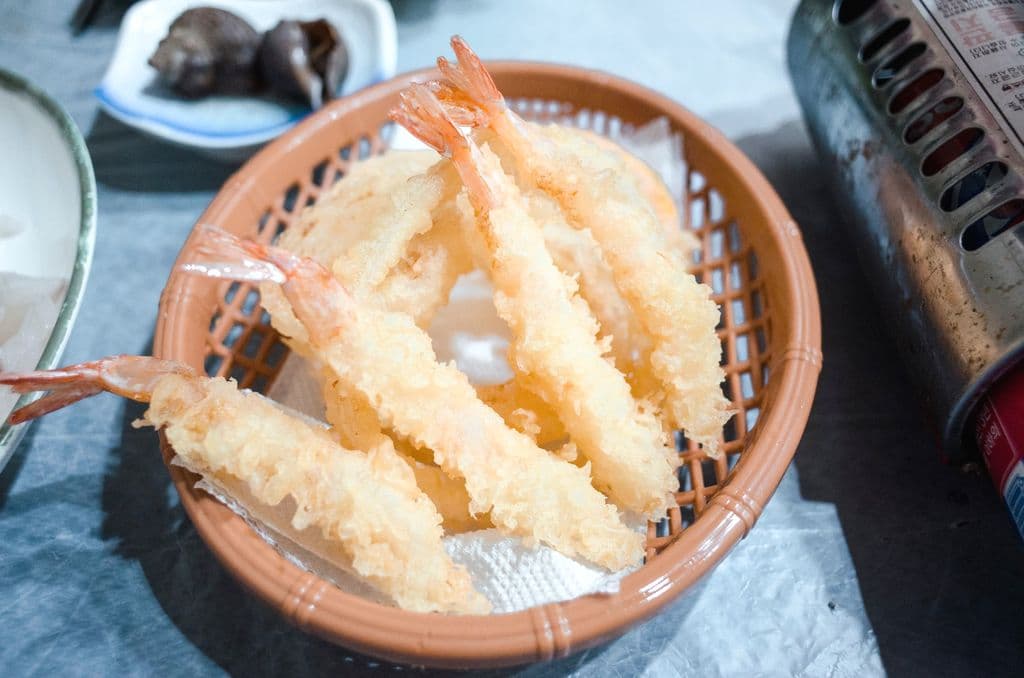
Tempura
Lightly battered seafood or vegetables
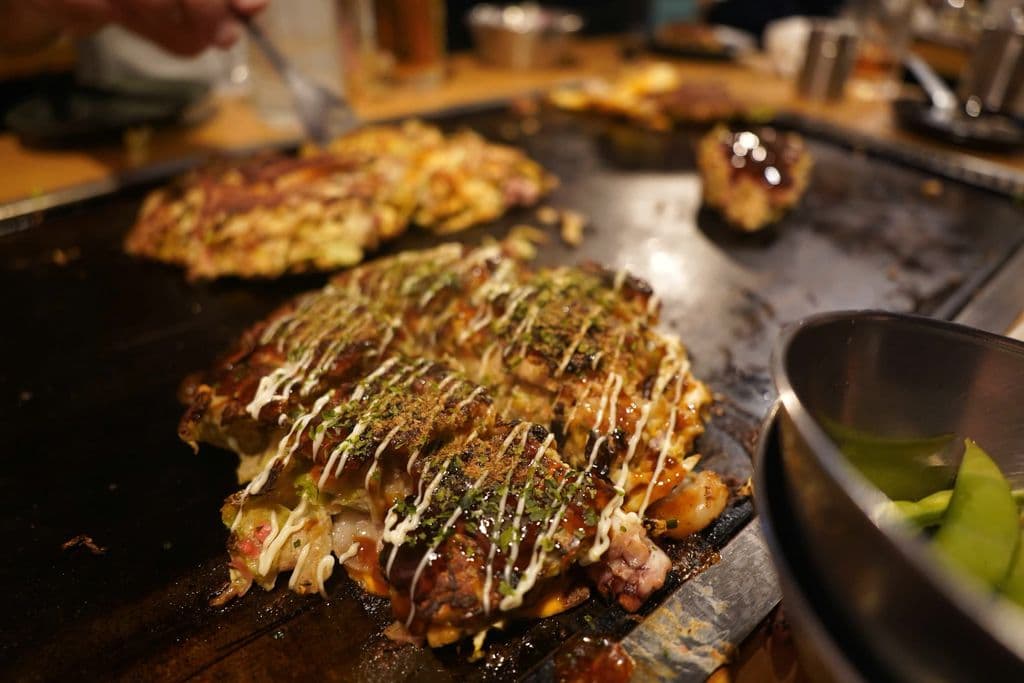
Okonomiyaki
Savory pancake with cabbage and sauce
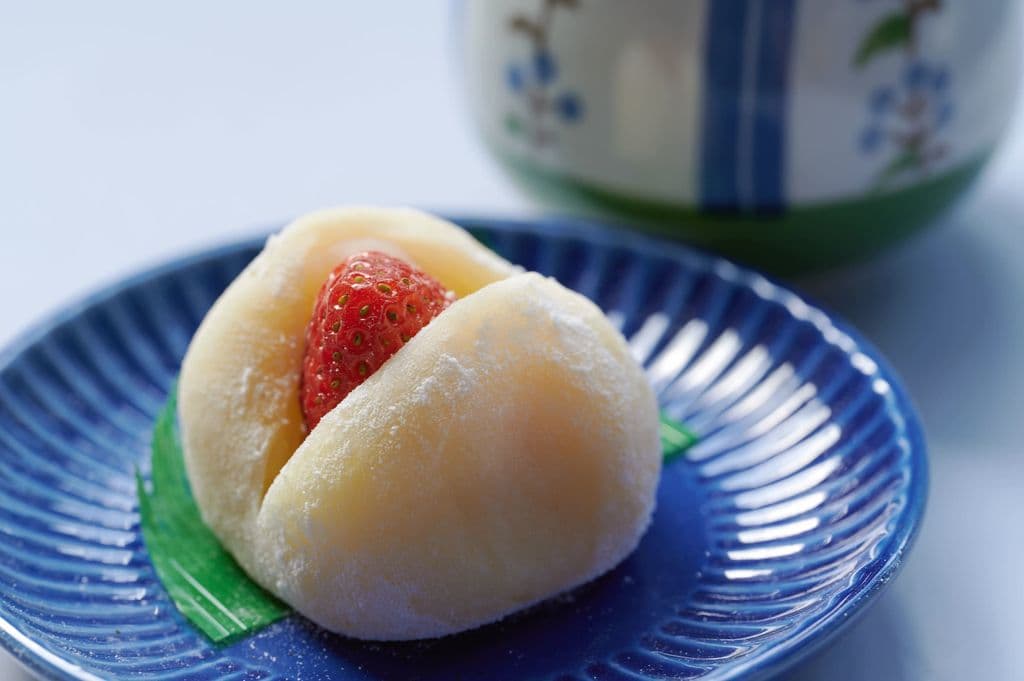
Mochi
Chewy rice cake often served sweet
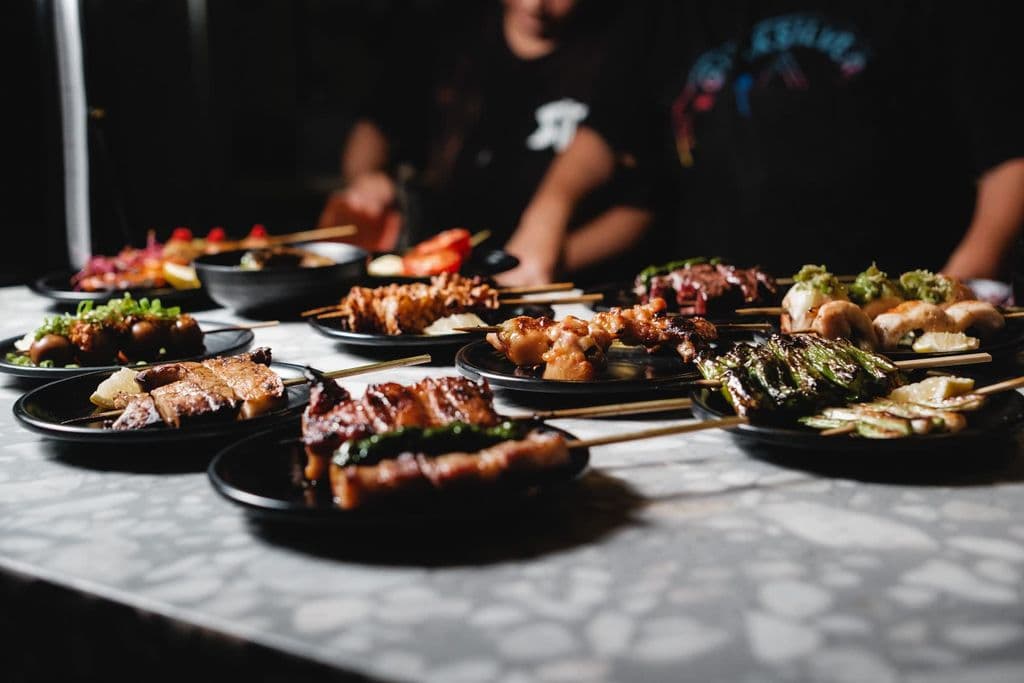
Yakitori
Grilled chicken skewers with savory glaze
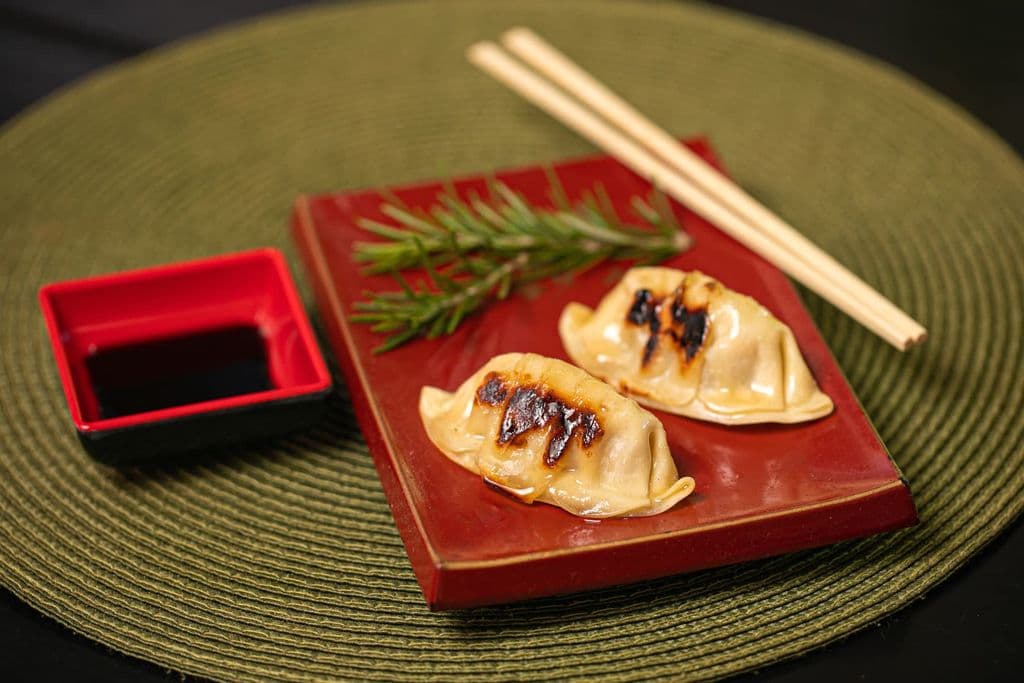
Gyoza
Pan-fried dumplings with meat or vegetables
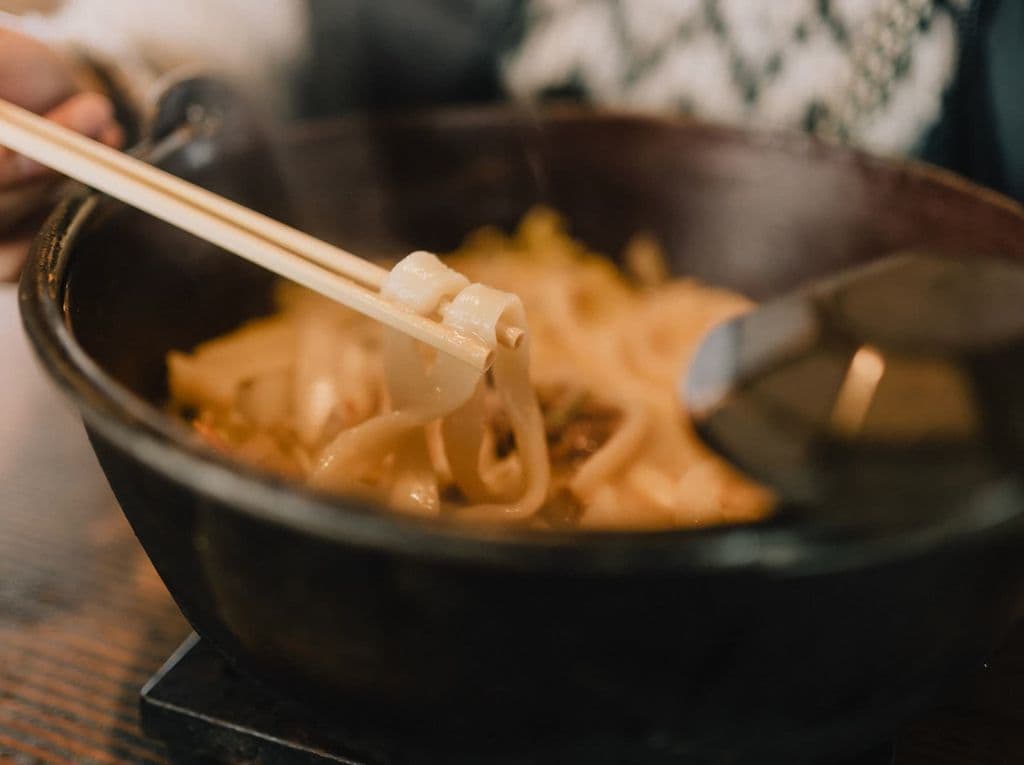
Udon
Thick wheat noodles in broth or sauce
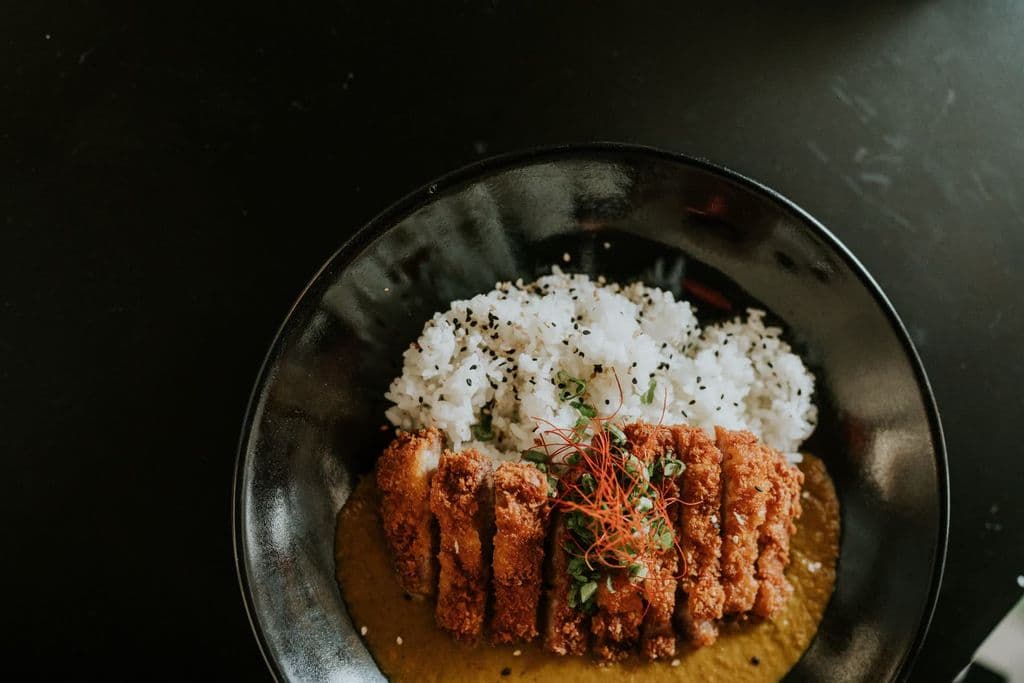
Katsu Curry
Breaded cutlet with Japanese curry rice
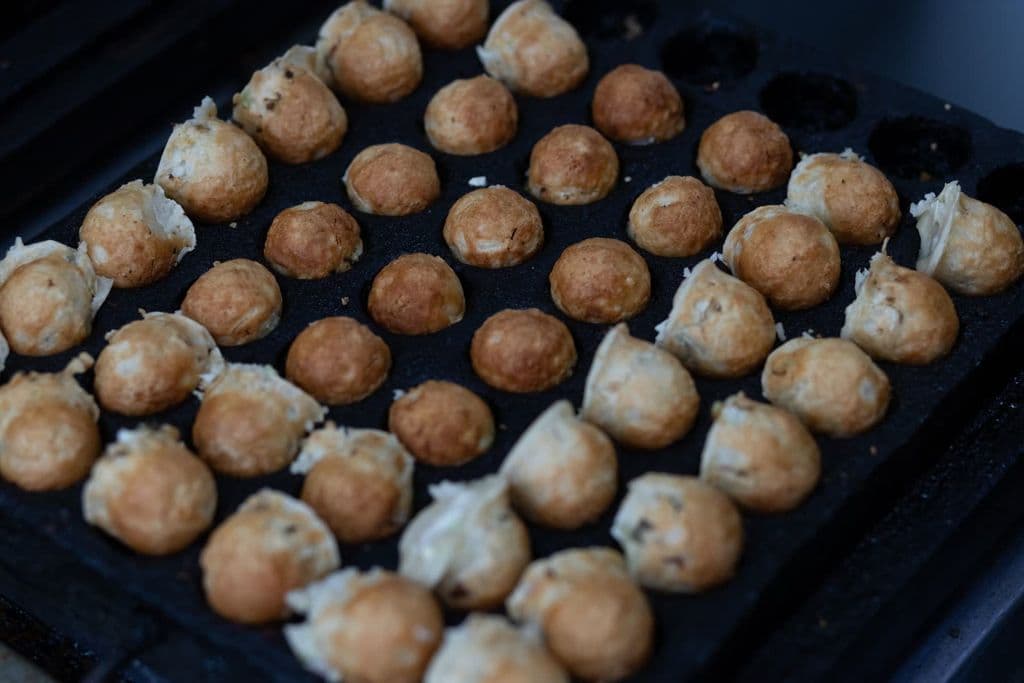
Takoyaki
Octopus-filled balls with sauce and bonito
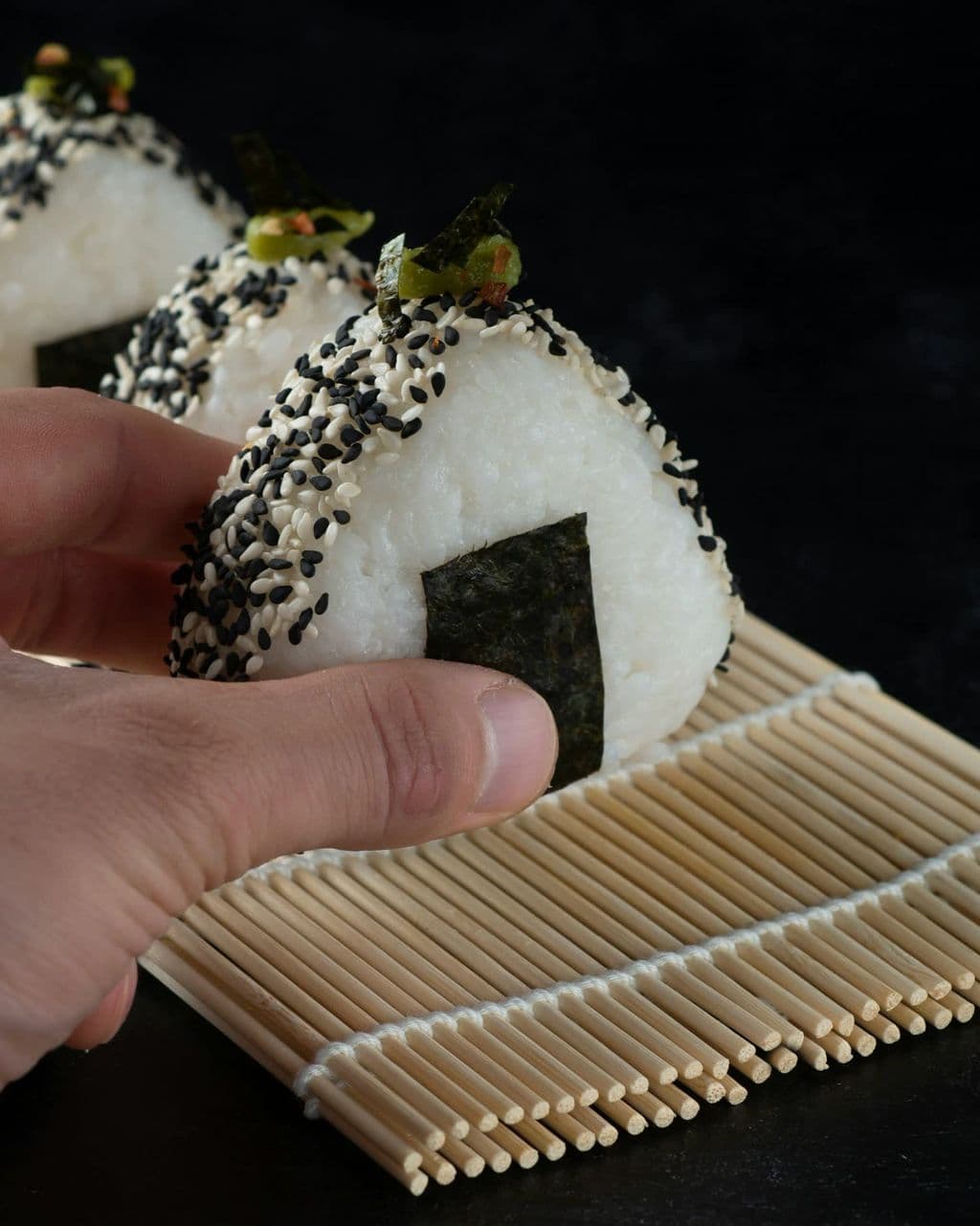
Onigiri
Rice balls wrapped with nori seaweed

Power
Japan uses 100V electricity, with 50Hz in the east and 60Hz in the west.

Type A

Type B
Transport
Direction
Left side
Japan is best traveled by rail first, with excellent city transit, shinkansen routes, highway buses, ferries, domestic flights, and reliable taxis.
- Use Japan Rail Pass information for pass rules and seat reservations before buying.
- IC cards such as Suica, Pasmo, Icoca, and regional cards make most city transport easy.
- Highway buses and domestic flights can be cheaper than trains on long routes.
- Renting a car helps in rural Hokkaido, mountain towns, and remote islands, but city driving and parking are rarely worth it.
Language
Japanese is the main language, while English is useful in major hotels, stations, and tourist areas but less reliable in smaller towns.
English language level
Moderate
Official
Common
Useful words and phrases
Konnichiwa
Hello
Arigatou
Thank you
Sumimasen
Excuse me
Ikura desu ka?
How much is it?
Eki wa doko desu ka?
Where is the station?
Toire wa doko desu ka?
Where is the bathroom?
Eigo wa hanasemasu ka?
Do you speak English?
Tasukete kudasai
Please help me