
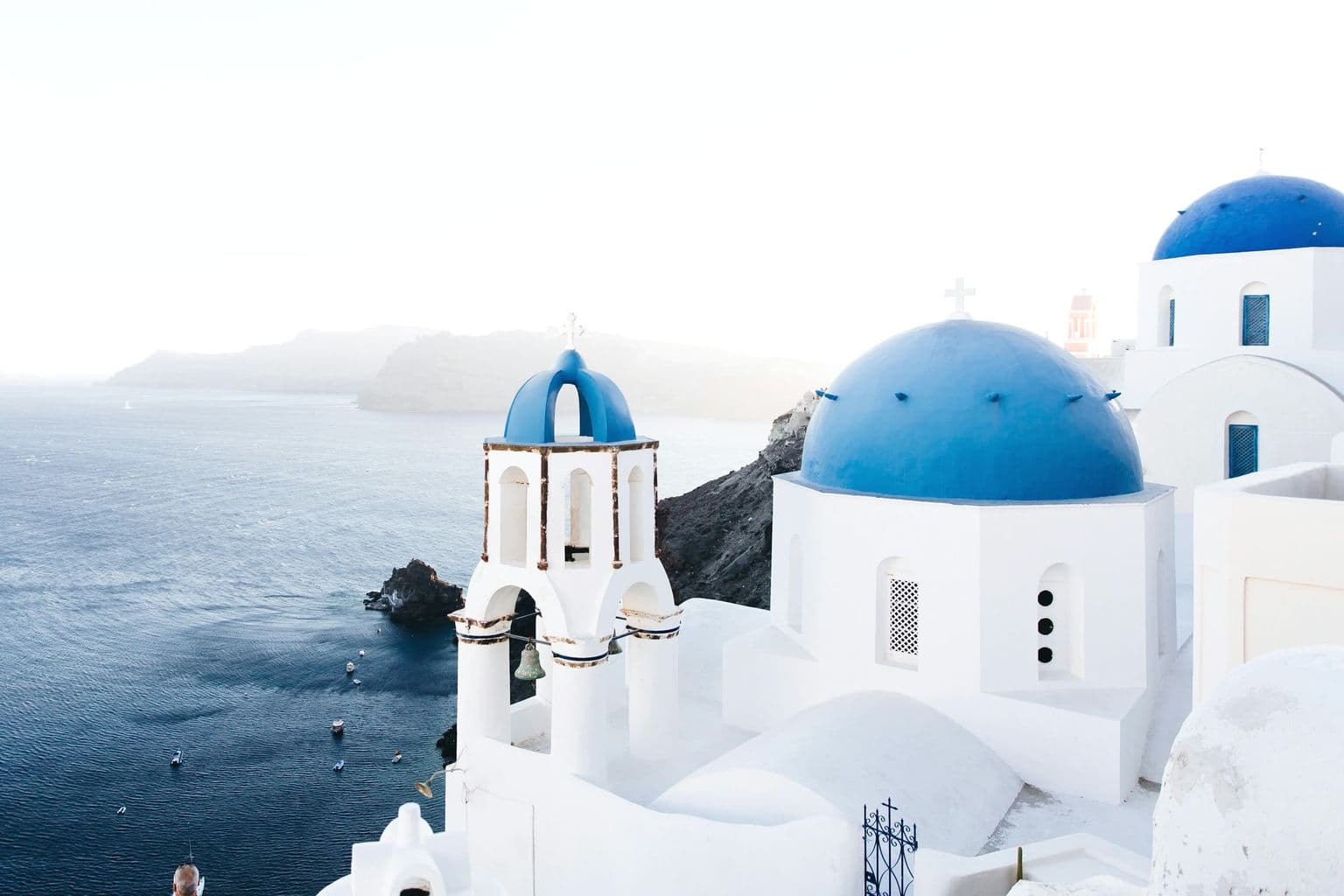
History
Beach
Food
Europe
Greece
Current status
Safe to travel
Safety
Very safe
Greece is generally safe for travelers, with petty theft, summer heat, wildfires, rough seas, road safety, and occasional strikes worth planning around. Check current advice from FCDO.
- Watch bags and phones in busy Athens areas, ferries, beaches, nightlife streets, and transport hubs.
- Follow local alerts during heatwaves, wildfire periods, ferry disruptions, and demonstrations.
- Use licensed taxis or trusted ride apps, and be cautious on island roads and rented scooters.
Emergency
112
Entry Information
Greece is in the Schengen Area. Many travelers can visit visa-free for up to 90 days in any 180-day period; others need a Schengen visa. Check the Greek Ministry of Foreign Affairs visa pages.
- Non-EU passports usually need 3 months validity after leaving Schengen and must be under 10 years old.
- Border officials may ask for accommodation, return travel, insurance, or proof of funds.
- ETIAS is expected in late 2026; no action is needed until the EU confirms launch.
Vaccination
No recommendations
Regional Weather
Cold
Rain
Off Season
Cold
Rain
Off Season
Mild
Rain
Shoulder
Mild
Dry
Shoulder
Mild
Dry
Peak Season
Hot
Dry
Peak Season
Hot
Dry
Peak Season
Hot
Dry
Peak Season
Mild
Dry
Shoulder
Mild
Rain
Shoulder
Cold
Rain
Off Season
Cold
Rain
Shoulder
Prices
Level 3
Mid-range
$$$$
$$$$

Must Know
Greece is usually mid-range for travelers, but costs rise quickly on famous islands, in beachfront areas, and during July and August.
- Athens, mainland towns, bakeries, tavernas, buses, and shoulder-season stays can be good value.
- Santorini, Mykonos, private transfers, ferries with cabins, and peak-season hotels are the biggest budget jumps.

Travel Hack
Book ferries and island accommodation early for summer, and use local bakeries, grill houses, and set menus to keep daily food costs reasonable.
Tipping Guide
Restaurants
10%
Cafes
No tips
Taxis
No tips
Hotels
No tips
Must Know
Tipping is optional in Greece, but rounding up or leaving about 5 to 10 percent is appreciated in restaurants and tourist areas when service is good.
- Small cash tips are useful for cafes, taxis, hotel staff, tours, and family-run places.
- Check the bill first, since cover charges or service fees can already appear in some restaurants.

Pro Tip
Card tips are not always easy to add after payment, so keep a few euro coins or small notes for small tips.
Currency
Euro
EUR
US Dollar Rate
$1 = €0.9
Select currency...
Pro Tip
Cards are widely accepted in cities, hotels, restaurants, and many shops, but euro cash is still useful for small islands, buses, beach rentals, markets, taxis, and tips.
- Use bank ATMs where possible and avoid standalone tourist-area machines with high fees.
- If a card terminal offers conversion, pay in euros, not your home currency.
- For reference rates, use the European Central Bank.
Traditional Food

Moussaka
Layered eggplant, minced meat, and béchamel
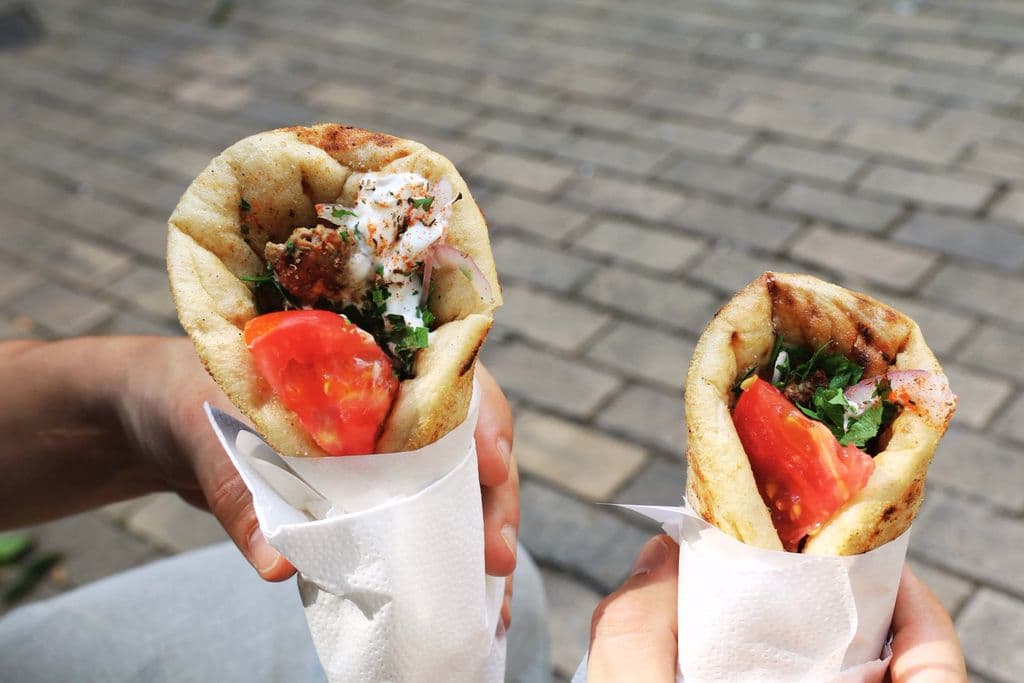
Souvlaki
Grilled meat served on skewers or pita
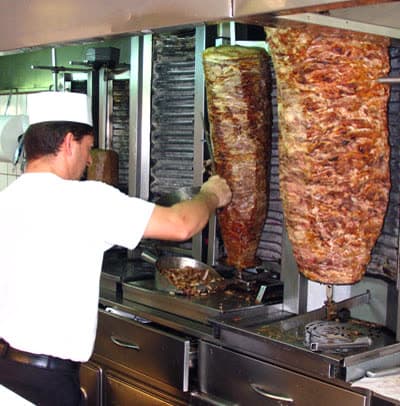
Gyros
Rotisserie meat wrapped in pita with toppings
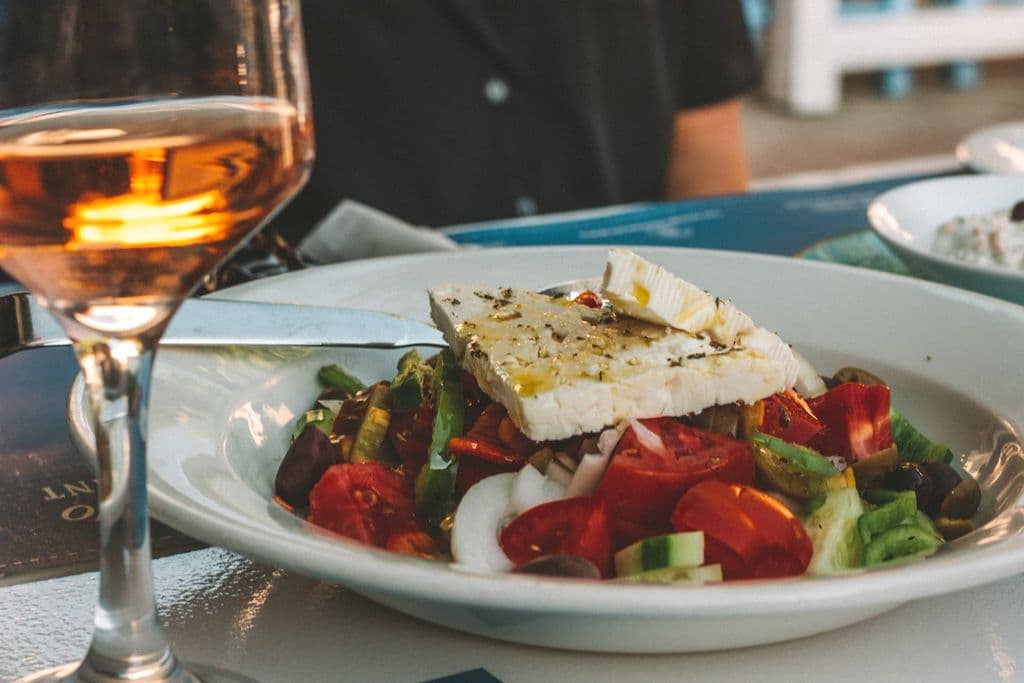
Greek Salad
Tomato, cucumber, olives, onion, and feta
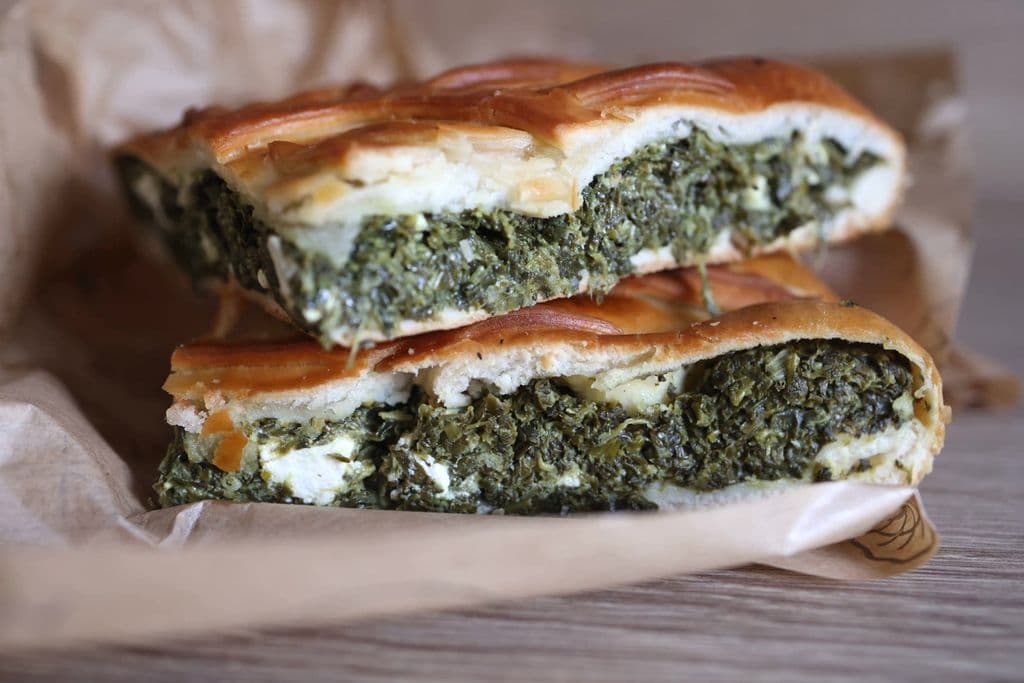
Spanakopita
Spinach and feta pie in crisp phyllo
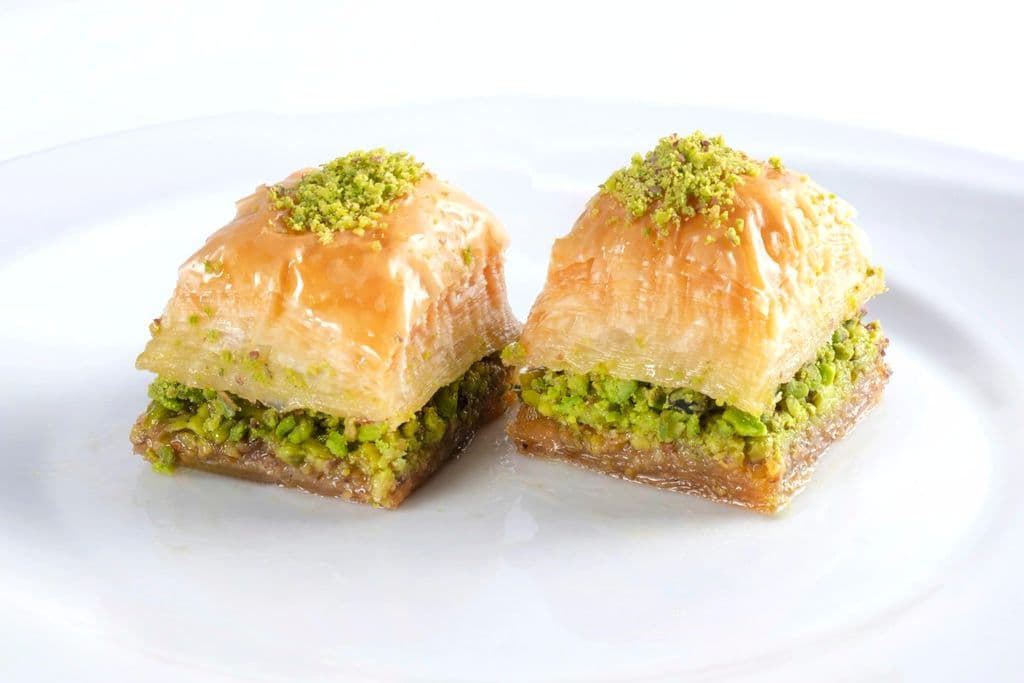
Baklava
Layered syrup pastry with nuts
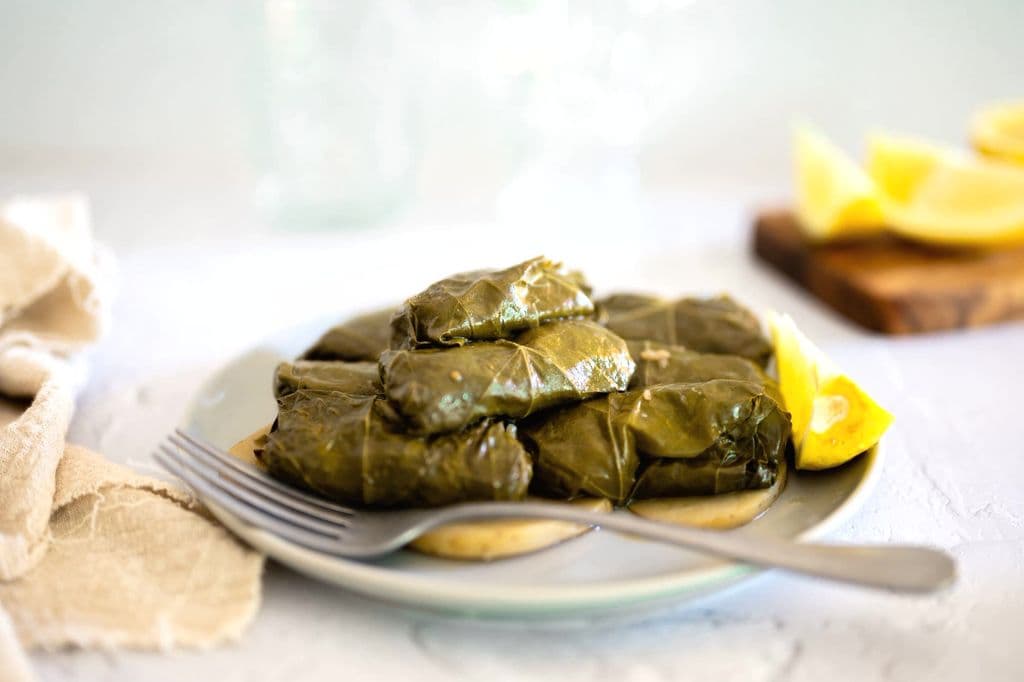
Dolmades
Stuffed grape leaves often served with lemon
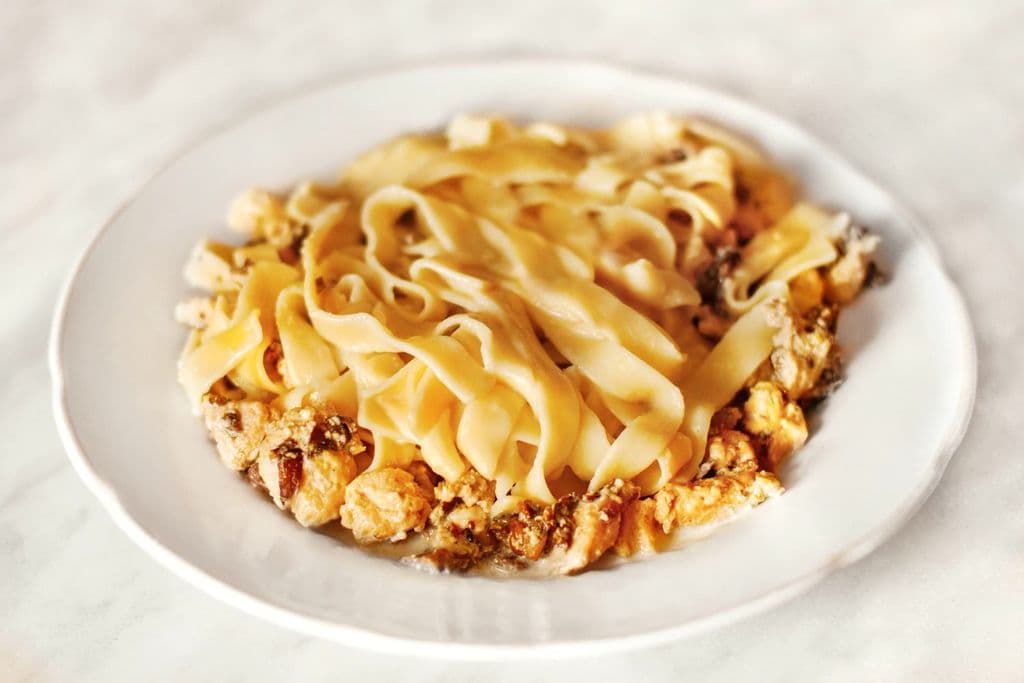
Pastitsio
Baked pasta with meat sauce and béchamel
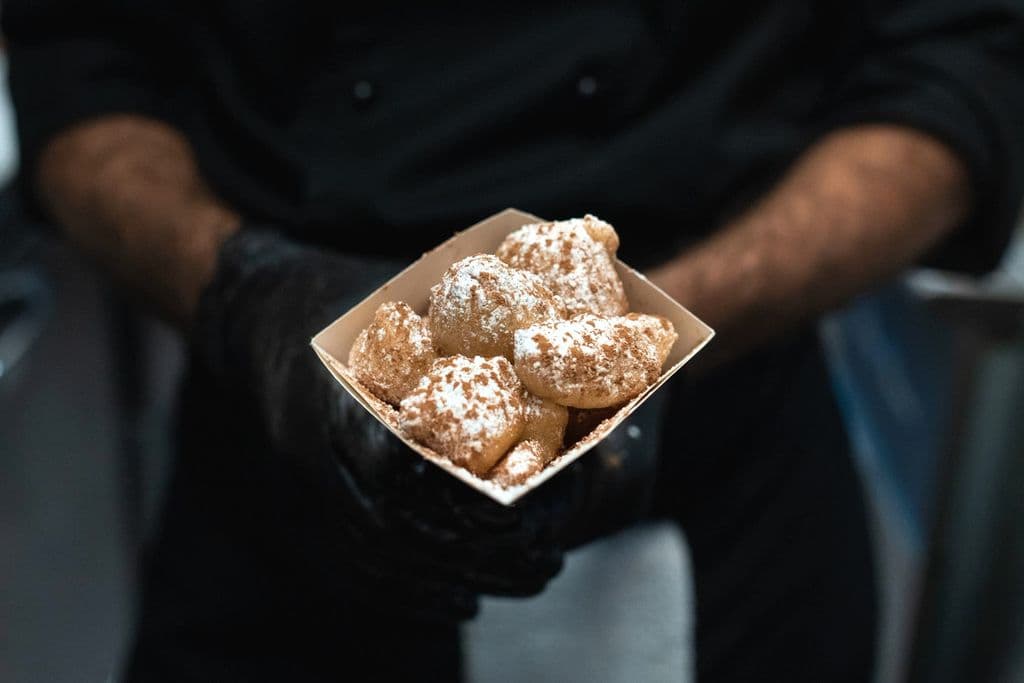
Loukoumades
Small fried dough balls with sweet toppings
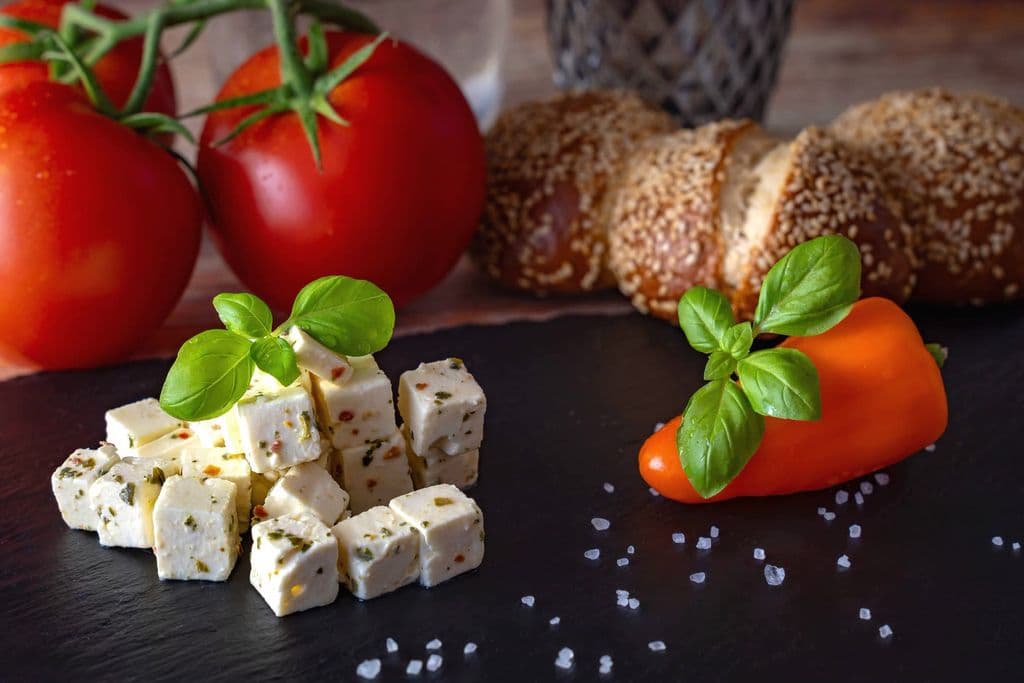
Feta
Brined white cheese served with simple dishes

Power
Greece uses 230V electricity at 50Hz.

Type C

Type F
Transport
Direction
Right side
Greece is easy to combine by ferry, bus, flight, and city transit, but island routes and rural areas need more planning than Athens.
- Use Hellenic Train for rail routes, mainly around Athens, Thessaloniki, and key mainland connections.
- KTEL buses cover many towns and mainland routes where trains are limited.
- Ferries connect the islands, but schedules change by season and rough seas can delay crossings.
- Renting a car helps on larger islands and rural mainland areas, though parking and narrow roads can be stressful.
Language
Greek is the main language, while English is widely understood in Athens, major islands, hotels, and tourist areas but less reliable in rural places.
English language level
Moderate
Official
Common
Useful words and phrases
Yia sas
Hello
Efharisto
Thank you
Parakalo
Please / You’re welcome
Poso kani?
How much does it cost?
Pou ine i tualeta?
Where is the bathroom?
Ton logariasmo, parakalo
The bill, please
Milate anglika?
Do you speak English?
Hriazome voithia
I need help