
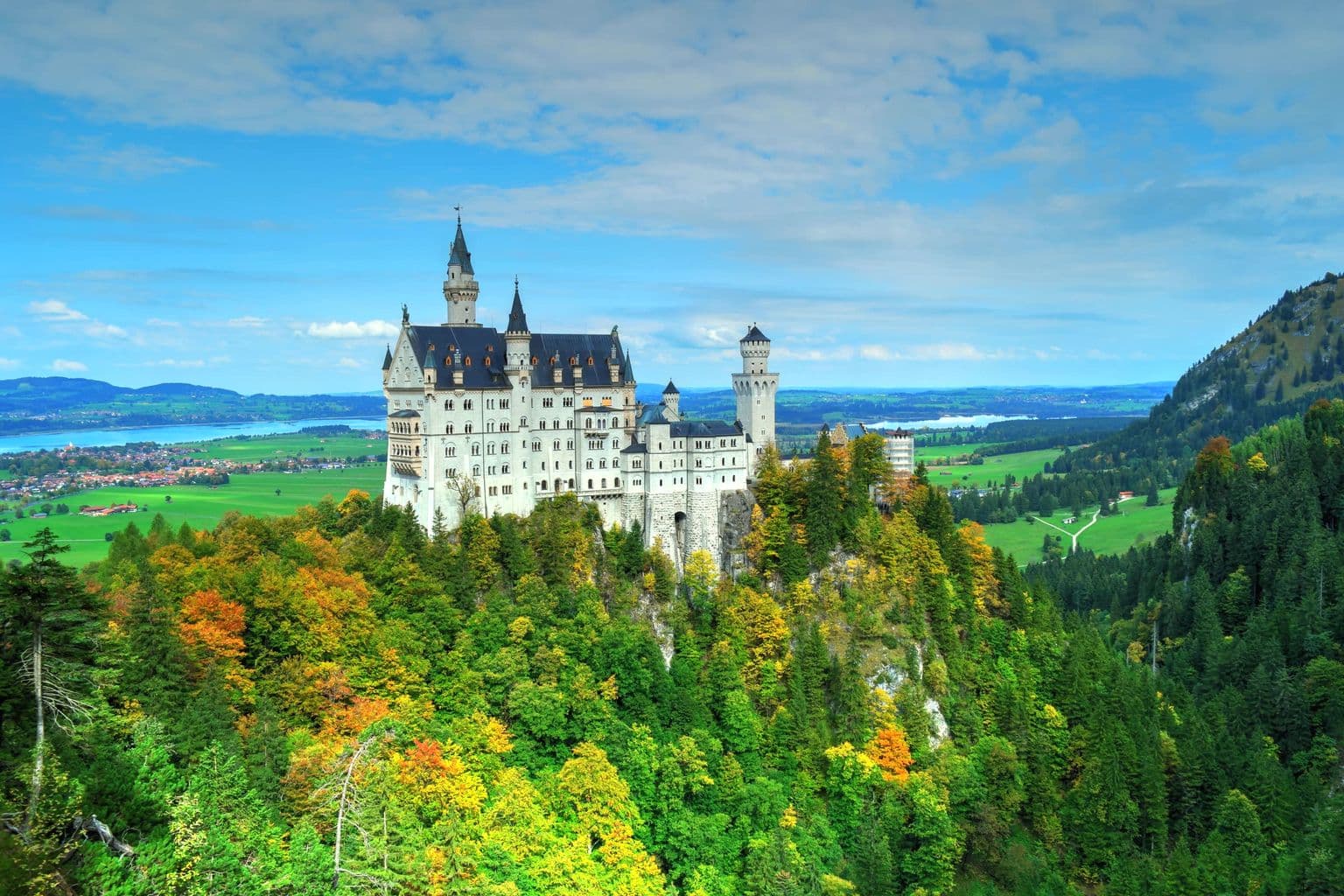
Culture
Architecture
Food
Europe
Germany
Current status
Safe to travel
Safety
Very safe
Germany is generally safe for travelers, with the main issues being petty theft, transport disruptions, demonstrations, football crowds, and winter road or mountain weather. Check current FCDO advice before you go.
- Watch bags and phones around major stations, Christmas markets, nightlife areas, and busy city transport.
- Avoid demonstrations and follow police instructions if crowds or road closures form.
- Check weather and avalanche information before winter driving, hiking, or skiing in alpine areas.
Emergency
112
Police
110
Entry Information
Germany is in the Schengen Area. Many travelers can visit visa-free for up to 90 days in any 180-day period; others need a Schengen visa. Check Germany’s official Federal Foreign Office visa guidance.
- Non-EU passports usually need 3 months validity after leaving Schengen and must be under 10 years old.
- Border officials may ask for accommodation, return travel, insurance, or proof of funds.
- ETIAS is expected in late 2026; no action is needed until the EU confirms launch.
Vaccination
No recommendations
Regional Weather
Cold
Rain
Off Season
Cold
Rain
Off Season
Mild
Rain
Shoulder
Mild
Rain
Shoulder
Mild
Dry
Peak Season
Mild
Rain
Peak Season
Hot
Rain
Peak Season
Hot
Rain
Peak Season
Mild
Dry
Shoulder
Mild
Rain
Shoulder
Cold
Rain
Off Season
Cold
Rain
Shoulder
Prices
Level 3
Mid-range
$$$$
$$$$
Must Know
Germany is usually mid-range by Western European standards. Big-city hotels, trade-fair dates, Oktoberfest, ski resorts, and Christmas markets can raise costs quickly.
- Bakeries, casual lunch menus, supermarkets, and beer gardens help keep daily spending reasonable.
- Book long-distance trains and popular festival-season stays early for better prices.

Travel Hack
Use regional rail tickets, city day passes, and off-peak train bookings when your route is flexible.
Tipping Guide
Restaurants
10%
Cafes
No tips
Taxis
No tips
Hotels
No tips
Must Know
Tipping is appreciated but not mandatory in Germany. In restaurants, rounding up or leaving about 5 to 10 percent for good service is normal.
- Tell the server the final total when paying instead of leaving cash silently on the table.
- Cafes, taxis, and hotels usually only need small change or a rounded-up amount.

Pro Tip
Cash tips are still easier in small restaurants, beer gardens, bakeries, and rural places, even when cards are accepted.
Currency
Euro
EUR
US Dollar Rate
$1 = €0.9
Select currency...
Pro Tip
Cards are widely accepted, but euro cash is still useful for bakeries, markets, small cafes, rural places, lockers, and some public toilets.
- Use bank ATMs and avoid high-fee standalone machines in tourist zones.
- If a card terminal offers conversion, pay in euros, not your home currency.
- For euro reference rates, use the European Central Bank.
Traditional Food
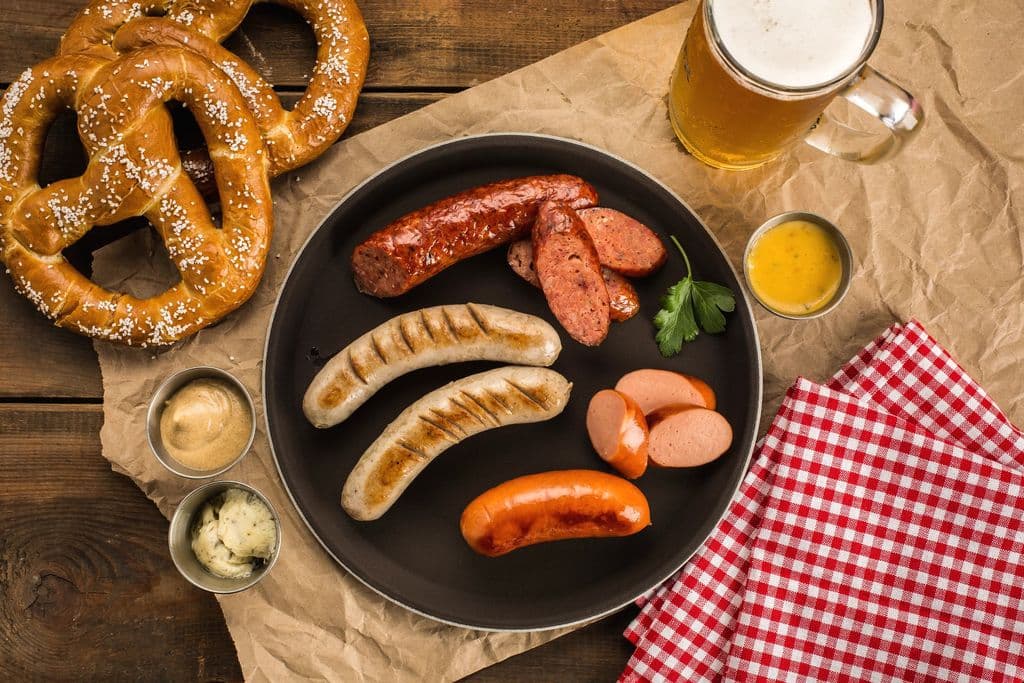
Bratwurst
Grilled sausage often served with mustard and bread
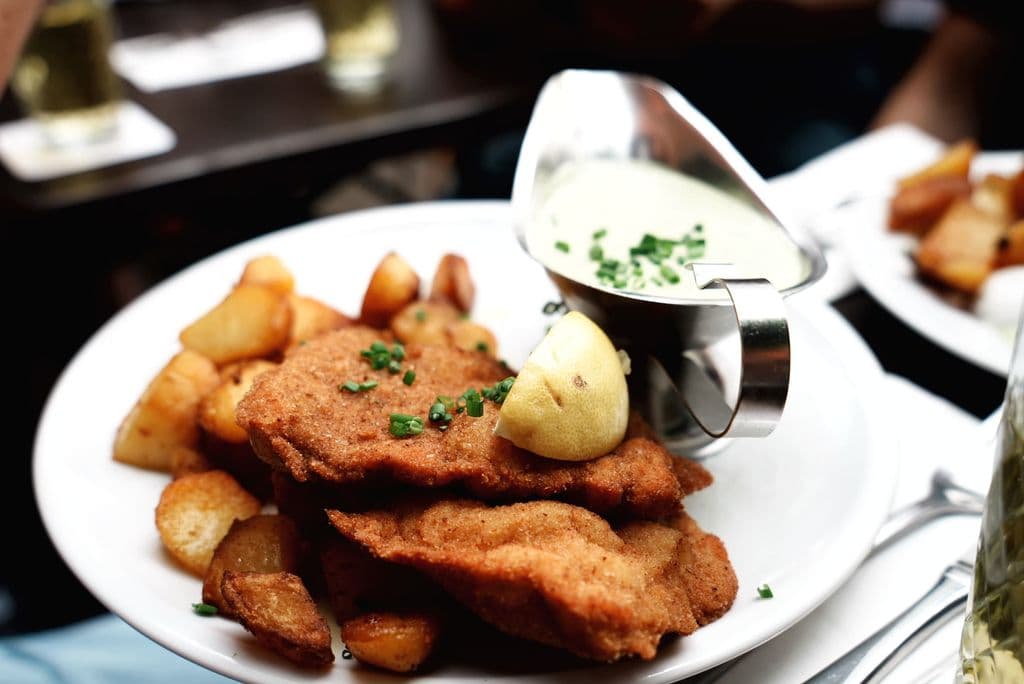
Schnitzel
Breaded cutlet served with lemon and potatoes

Pretzel
Twisted salted bread with a chewy crust
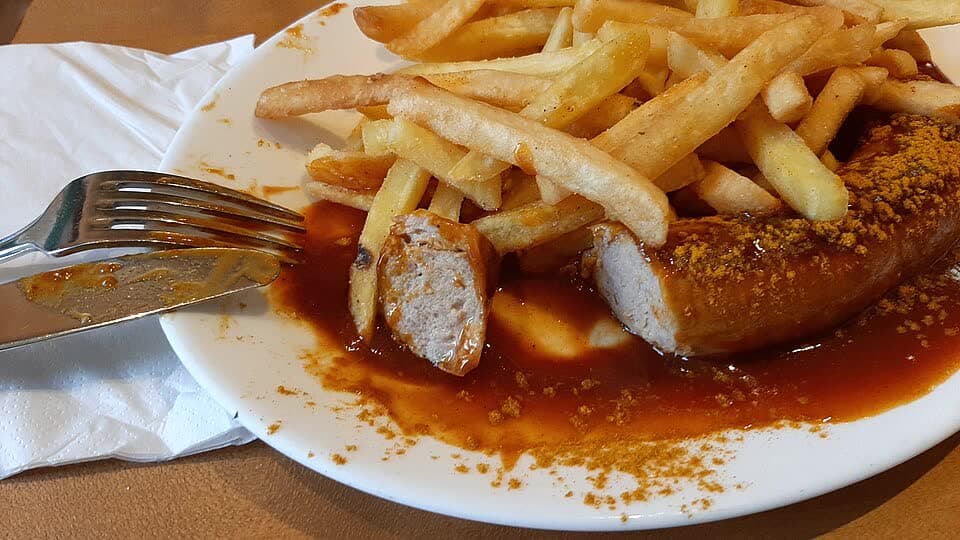
Currywurst
Sliced sausage with curry ketchup and fries
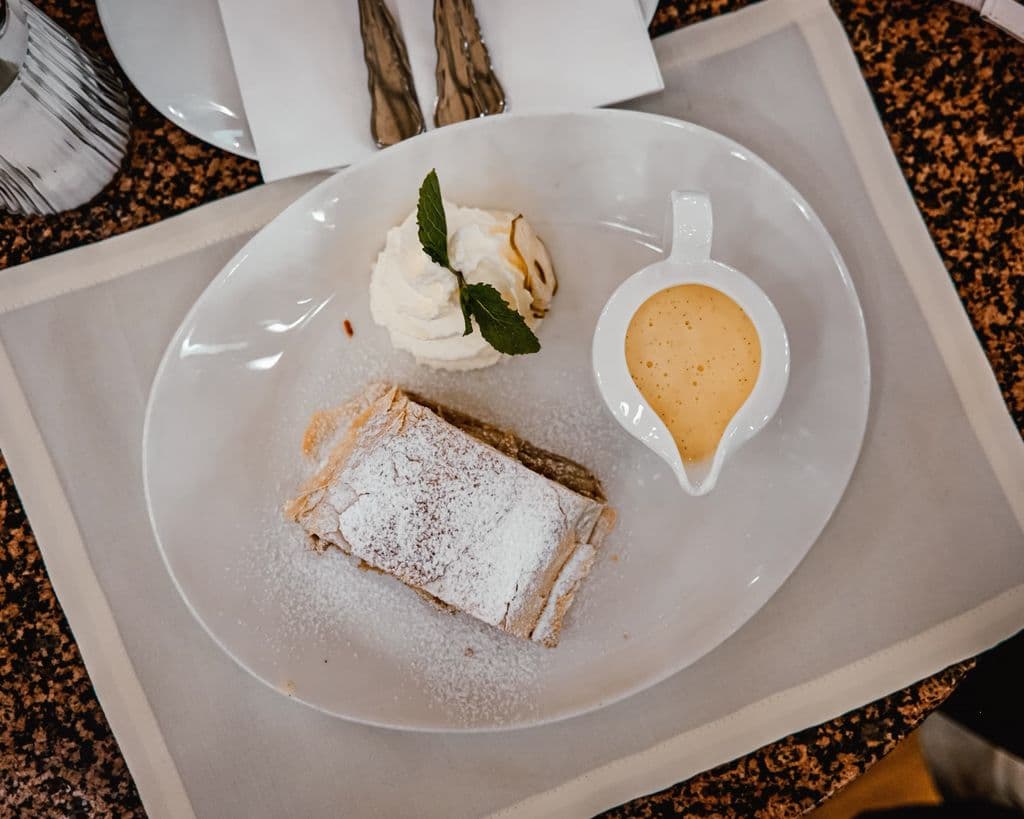
Apple Strudel
Layered pastry filled with spiced apples

Spätzle
Soft egg noodles served with hearty dishes

Black Forest Cake
Chocolate cherry cake with whipped cream

Kartoffelsalat
Potato salad served warm or creamy
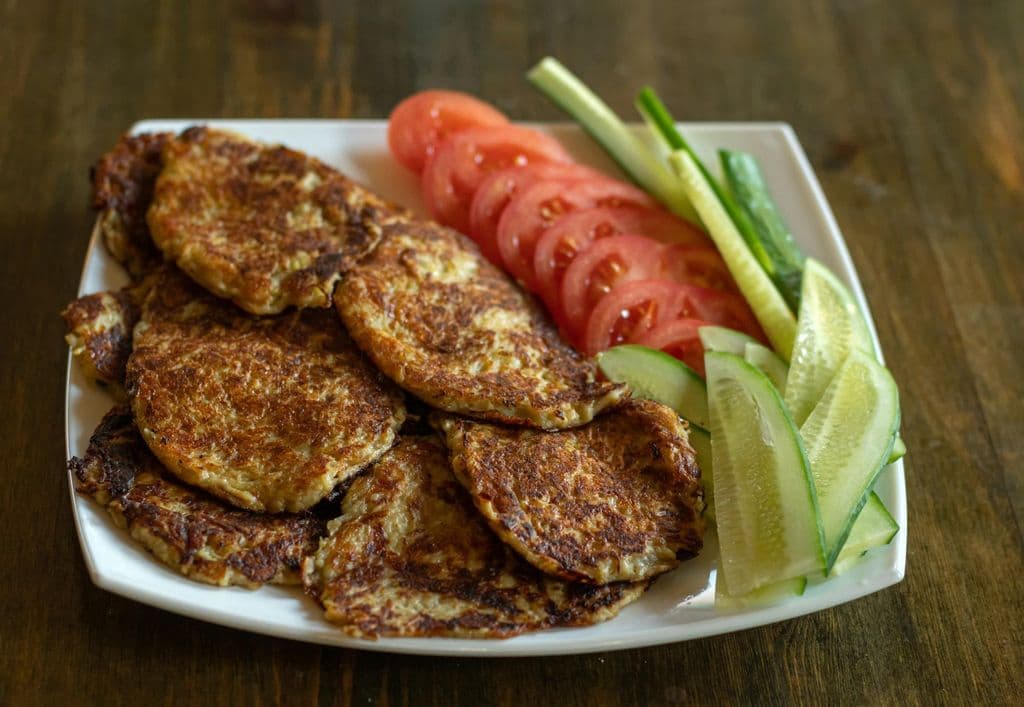
Kartoffelpuffer
Crisp potato pancakes often served with applesauce

Schweinshaxe
Roasted pork knuckle with crispy skin

Power
Germany uses 230V electricity at 50Hz.

Type C

Type F
Transport
Direction
Right side
Germany is very easy to travel by train, with dense rail links, city transit systems, buses, taxis, bike rentals, and car rental for rural areas.
- Use Deutsche Bahn for long-distance and many regional train bookings.
- Berlin, Munich, Hamburg, Frankfurt, Cologne, and other cities have useful U-Bahn, S-Bahn, tram, and bus networks.
- Regional trains and buses work well for smaller towns, castles, lakes, and wine regions, but schedules thin out at night.
- Driving is practical outside cities, but expect strict parking rules, environmental zones, speed enforcement, and winter tire requirements.
Language
German is the main language, while English is widely useful in major cities and tourist areas but less reliable in small towns and rural places.
English language level
Moderate
Official
Common
Useful words and phrases
Hallo
Hello
Danke
Thank you
Bitte
Please
Wie viel kostet das?
How much does it cost?
Wo ist die Toilette?
Where is the bathroom?
Die Rechnung, bitte
The bill, please
Sprechen Sie Englisch?
Do you speak English?
Ich brauche Hilfe
I need help